What a Building Survey Checks: A Guide for New Homeowners
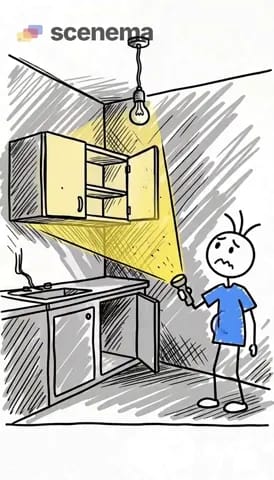
A short explainer for the clients of a UK surveying firm. A nervous new homeowner stands outside the house while the video explains that a surveyor visually checks areas like roofs, walls, windows, damp and services, that Level Two surveys are generally less detailed than Level Three, and that the report clarifies condition and next steps. It is drawn in the Crude Doodle style with wobbly marker figures.
Business and marketing Crude Doodle style
- Voice
- Blake
- Language
- English
- Length
- 0:33
The brief
This is the brief that made the video. Start from it and change what you like.
Make a 30 second landscape (16:9) explainer for the clients of a UK surveying firm. Show a homeowner outside their new house, a little confused and nervous about a building survey, then make the process feel simple and approachable. Explain that a surveyor visually checks areas like roofs, walls, windows, damp and services, that coverage depends on the level, property and agreed scope, and that Level Two is generally less detailed than Level Three. Note that inspection is non invasive unless extra access is agreed and that the report can flag defects and possible costs without guarantees. Keep the facts general, add no call to action, and use an upbeat, friendly delivery.
The script
New home, new questions. A surveyor visually checks areas like roofs, walls, windows, damp and services. Coverage varies by level, property and agreed scope. Level Two is generally less detailed than Level Three building surveys. Inspection is non-invasive unless extra access or investigation is agreed. Reports can flag defects and possible costs or urgency—not guarantees. Discuss findings one-to-one; your surveyor may suggest specialists. Your report clarifies condition and next steps.