Biology and Histology Basics: From Molecules to Tissues
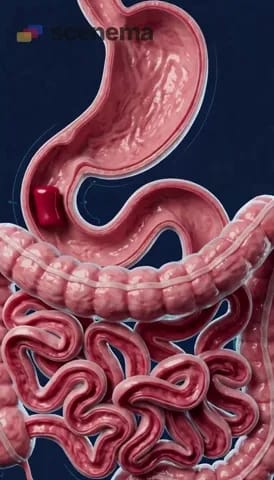
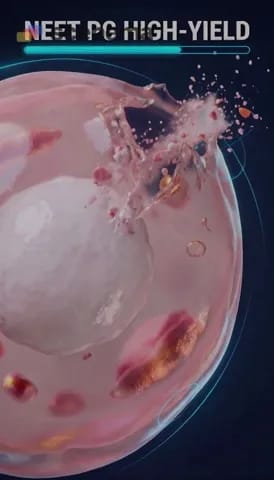
A short Spanish language overview that walks from the basic building blocks of life to the tissues of the human body. It names the four biomolecules, describes the cell as a small factory with organelles and mitochondria that produce energy, then shows how cells form epithelial, connective, muscle and nervous tissue. It is rendered in the Biomedical 3D style with photoreal cells and cyan labels.
Education Biomedical 3D style
- Voice
- Mayte
- Language
- Spanish
- Length
- 0:38
The brief
This is the brief that made the video. Start from it and change what you like.
Make a 38 second landscape (16:9) narrated overview in Spanish based on a biology and histology study manual. Present one central idea from each major topic in simple, everyday language without trying to cover the whole manual. Move from the biomolecules (sugars, lipids, proteins and nucleic acids) to the cell as the smallest unit of life, a small factory with organelles, where mitochondria produce energy. Then show how cells organize into tissues: epithelial tissue covers, connective tissue supports, muscle tissue moves and nervous tissue connects. Close by saying this is a first map and each topic deserves more detail. Use the voice of a patient, calm and warm Argentine teacher with subtle humor.
The script
Tranqui, no te asustes: vamos de a poco. Biomoléculas: azúcares, lípidos, proteínas y ácidos nucleicos, componentes básicos de la vida. La célula es la unidad mínima de vida, una pequeña fábrica con organelas trabajando. Las mitocondrias producen energía. Al organizarse, las células forman tejidos: el epitelial cubre, el conectivo sostiene, el muscular mueve y el nervioso conecta. Este es un mapa inicial; cada tema merece más detalle.